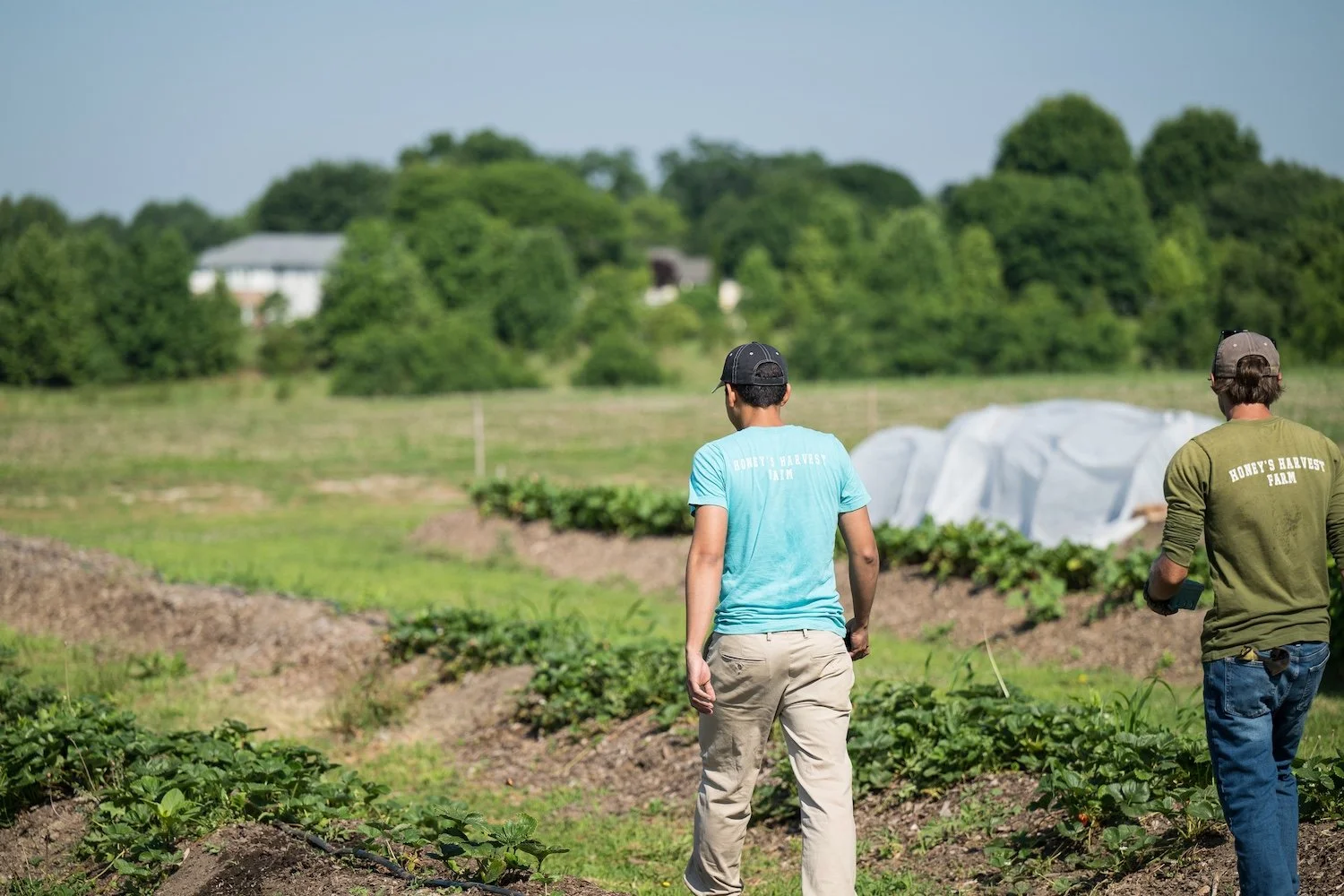

Too often these days, farming looks more like warfare than working with nature. Instead of cultivating plants that attract beneficial insects, we spray pesticides to get rid of all the insects. Instead of creating balanced compost that nourishes the soil, we pump it full of chemical fertilizers that degrade it. Instead of cover cropping, we strip and churn the land so regularly that we destroy the delicate life found within. The good news is, we can still reverse course.
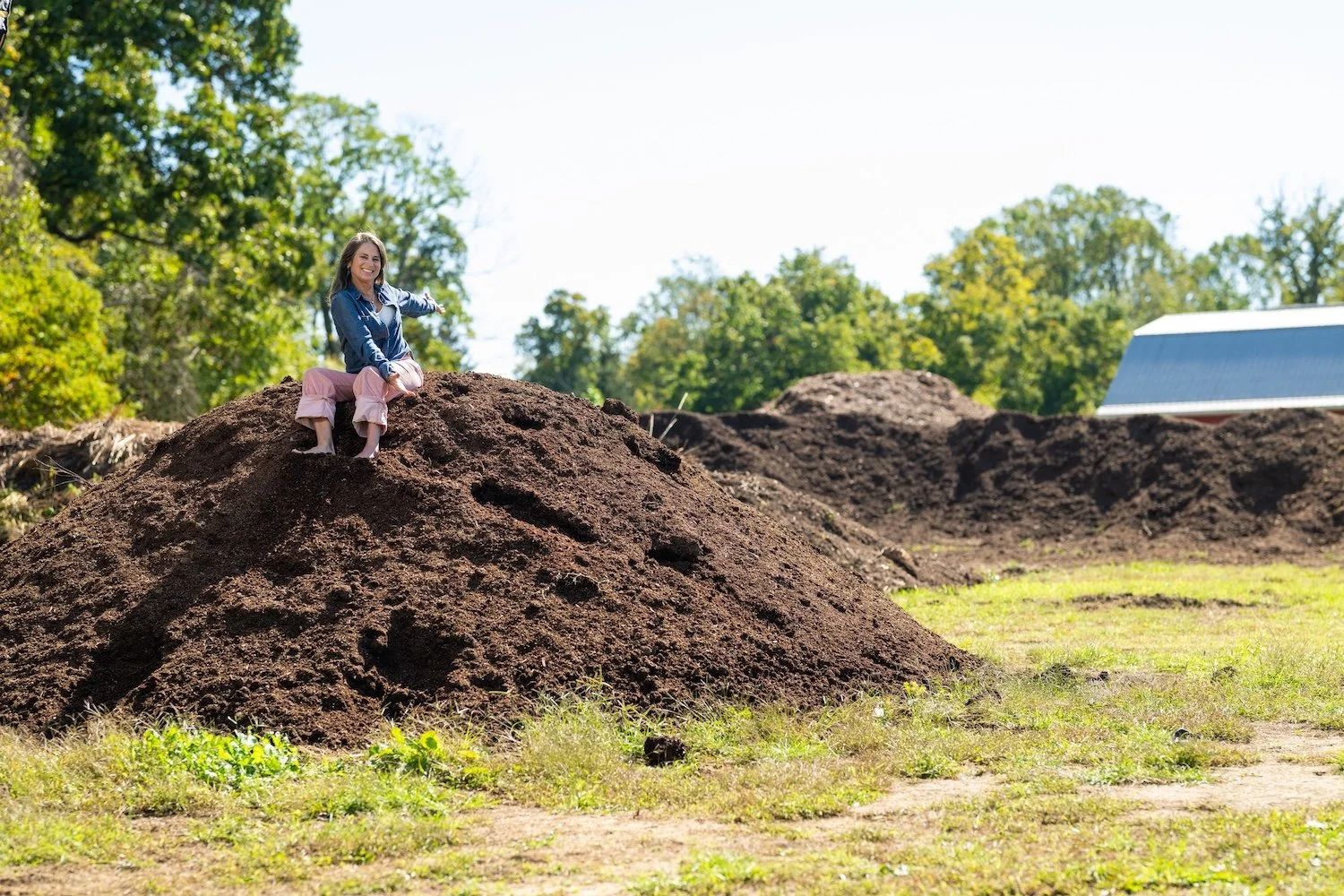
What is Regenerative Agriculture?
In the Quechua language, there is a word for the idea of interchange between humans and the earth: ayni. This can be roughly translated to something like, “Today for you, tomorrow for me.” The knowledge that if we take care of the Earth, it will take care of us.
There is a small but growing group of farmers adopting regenerative practices, which we can think of as “beyond organic.” While the USDA’s Organic Standards still allow some “synthetic materials” (i.e. chemicals), regenerative practices use no chemical inputs whatsoever. And at the heart of regenerative agriculture is the concept of living soil.
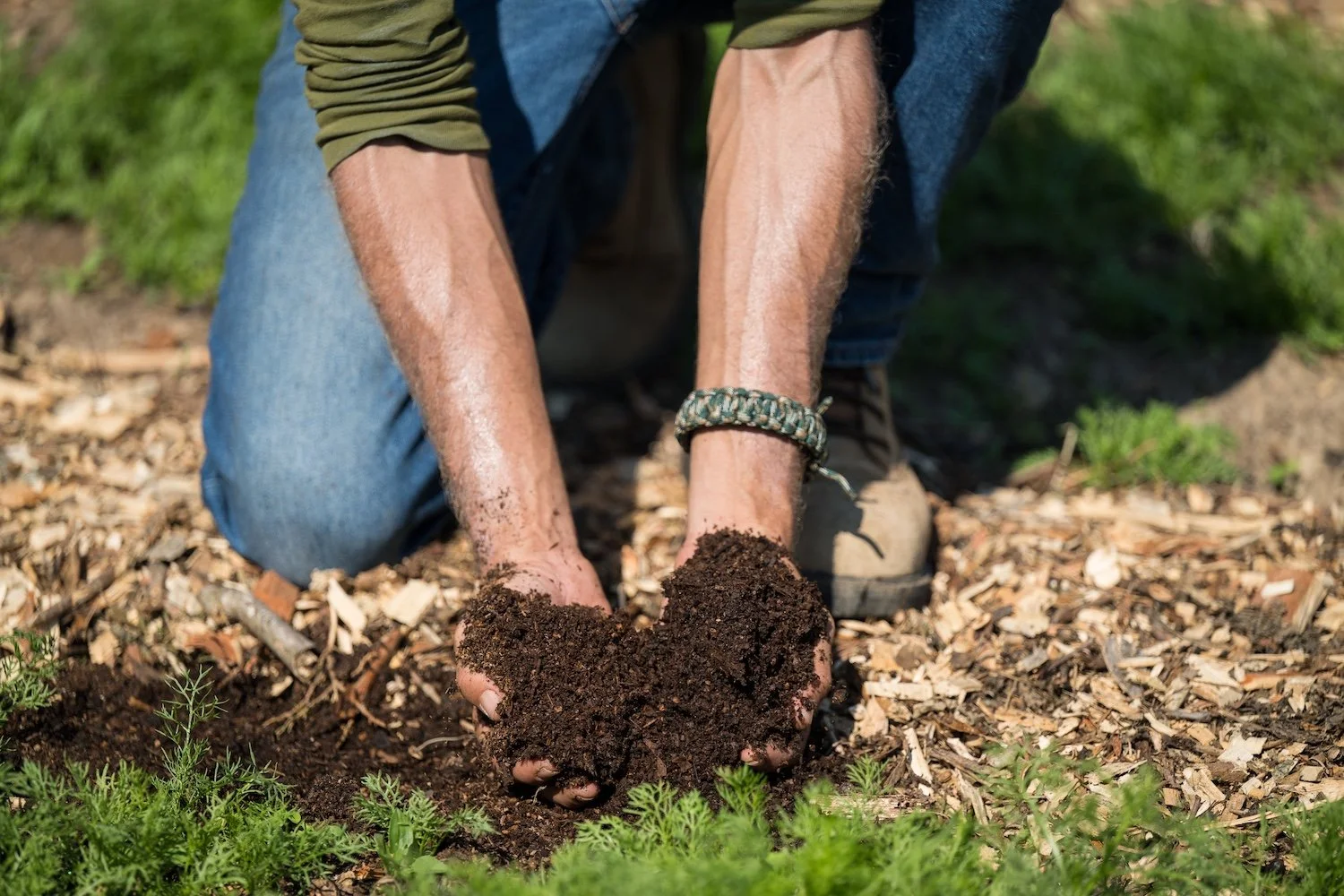
What is Living Soil?
By definition, soil is alive. Healthy soil is a thriving community of living organisms including bacteria, nematodes, ciliates, microarthropods, fungi, earthworms, millipedes, beetles, and much more. These living organisms found in soil are collectively known as the soil food web.
Soil without these living components? That’s just dirt. And many farms that have bought into the lie of chemical applications (which kill off everything, not just the “bad guys”) are growing food in this nutrient-poor dirt, meaning that the food that makes it to the grocery store and from there to your home is also nutrient-poor, while healthy living soil hangs onto its nutrients (they drain right out of dirt, or evaporate).
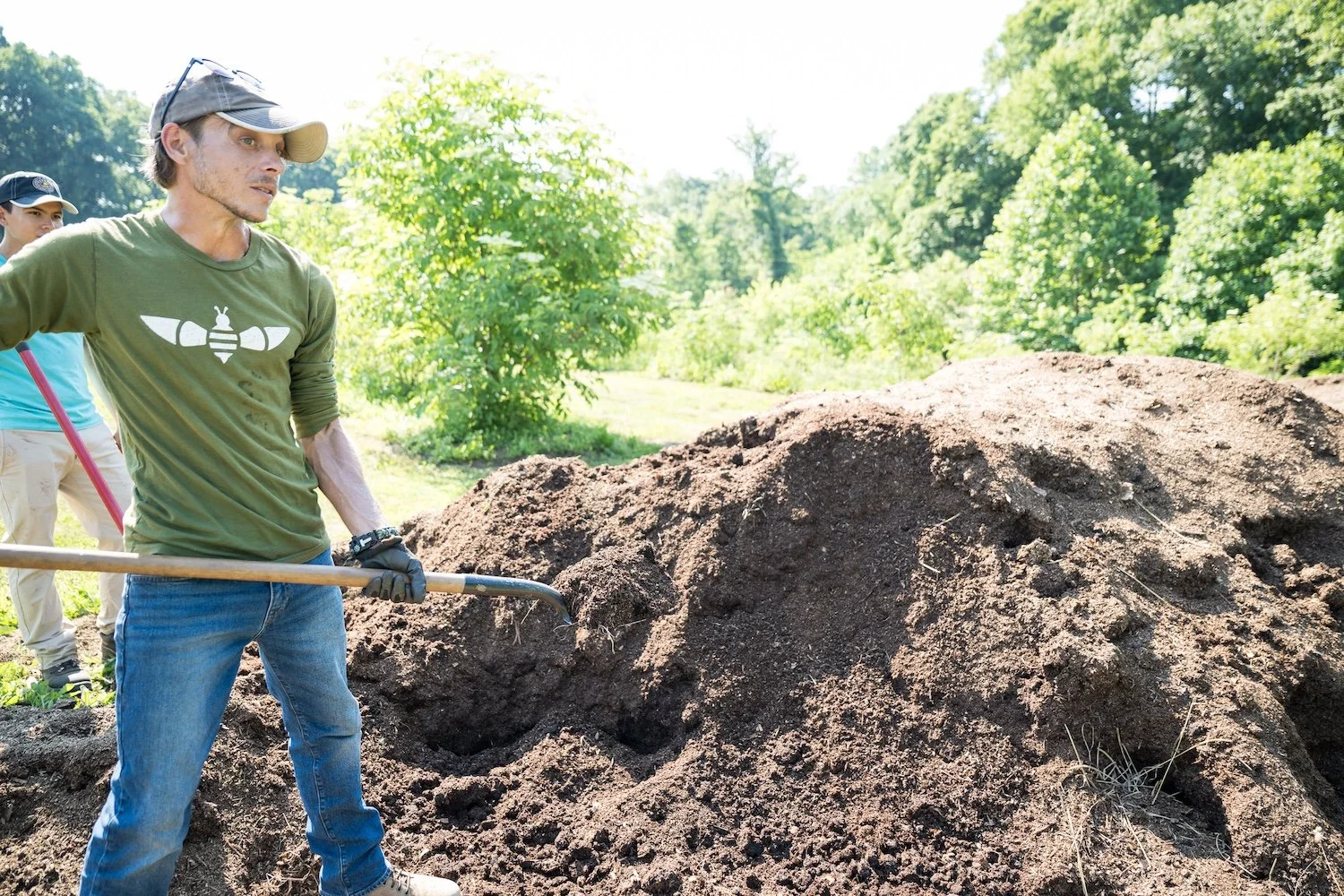
What Are the Benefits of Regenerative Agriculture?
1. Better for the environment (no topsoil damage, feeds the life in the soil).
2. Better for people (more life in the soil means more nutrients in the plants, which means more nutrients in our food)!
Where to Find Regeneratively Grown Goods Locally
At Honey’s Harvest Farm, we have transformed 159 acres of land formerly used for tobacco farming, which is notorious for depleting the soil, into a thriving regenerative agriculture farm and food forest. Guests can shop at the farm store on the weekends, take tours during the growing season, attend educational class including Living Soil Workshops, and enjoy a bimonthly farmer’s market featuring other regenerative farmers and growers, as well as artisans, chefs, bakers, brewers, distillers, fishermen, winemakers, and more. We’d love for you to be part of our journey!